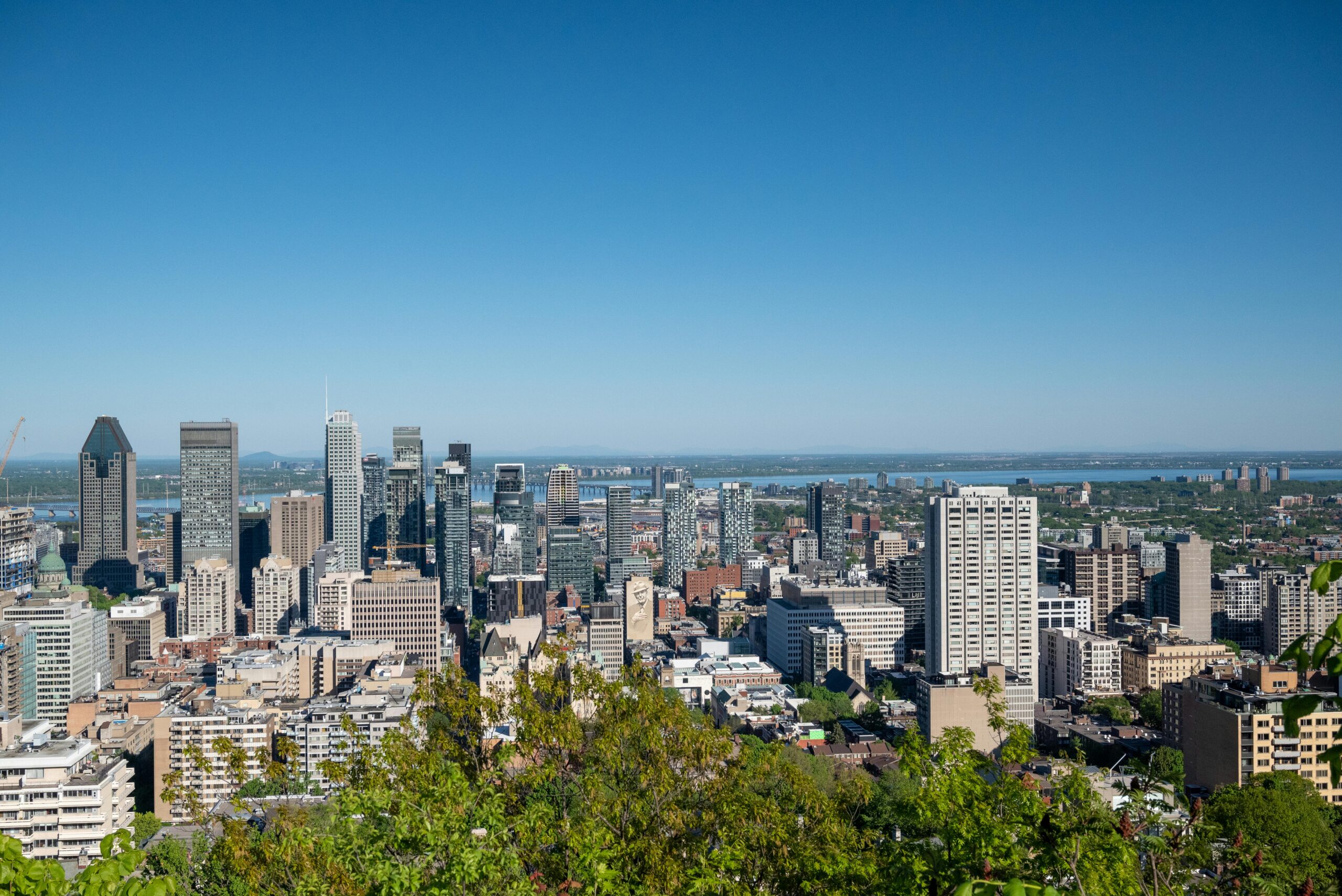
A ground-level analysis of where Montreal’s market stands, where it is heading, and where the real opportunities are hiding in 2026
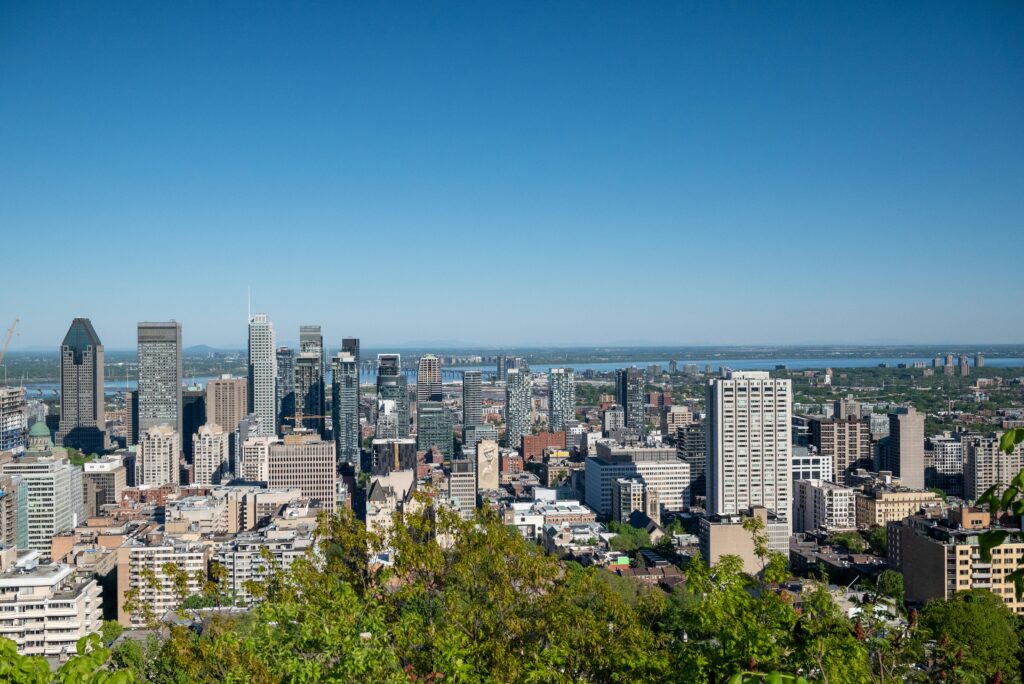
Yosef Rabi has spent years watching Montreal’s real estate market from the inside — not from a trading desk or a research department, but from the ground level of a working investor who has acquired, managed, and held residential properties across the city through multiple economic cycles. What he sees in 2026 is a market telling two very different stories at once — and he believes most investors are only reading one of them.
The headline story is familiar: elevated borrowing costs, cautious buyers, and a transaction market that feels like it is holding its breath. Sales volumes are below the pandemic-era peak. Some segments have seen price moderation. Buyers who stretched aggressively in 2021 and 2022 are feeling the weight of rates that were unimaginable when they signed their mortgage commitments.
But underneath that surface-level narrative, the data points to something more consequential. Demand has not disappeared — it has shifted. Supply constraints that have defined Montreal’s housing market for years have not eased. And the structural factors that make this city one of the most compelling long-term real estate markets in Canada are not only intact; in several important respects, they are strengthening.
Where the Montreal Market Actually Stands in 2026
Montreal’s resale market has seen a meaningful moderation in transaction volumes compared to the extraordinary activity of 2021 and 2022. But prices on the island have shown a resilience that surprises many observers accustomed to the sharper corrections playing out in Toronto and Vancouver. The reason is straightforward: Montreal’s market is supported by a structural constraint that does not respond to interest rate cycles the way speculative demand does.
There is simply not enough housing relative to the population that wants to live here. Vacancy rates in the rental market remain near historic lows — well below 2% in most central boroughs, and in some of the most in-demand neighbourhoods, effectively zero. This is not a temporary tightening. It reflects years of housing starts that have consistently lagged behind population growth, compounded by strong immigration-driven demand, the conversion of rental units into condominiums, and the practical constraints on new development imposed by land scarcity and construction costs.
According to Yosef Rabi, this supply-demand imbalance is the single most important factor for any serious investor to understand about Montreal in 2026. ‘The market has slowed,’ Rabi notes, ‘but the underlying fundamentals that drive long-term value have not changed. If anything, the slowdown has created entry points that were not available during the frenzied years of the pandemic boom. Patient capital is being rewarded.’
The Interest Rate Environment and What It Actually Means
The Bank of Canada’s rate cycle has had a significant impact on Montreal’s real estate market, as it has on every Canadian market. Higher borrowing costs have reduced purchasing power, pushed some potential buyers to the sidelines, and compressed the pool of qualified purchasers for properties at various price points. These are real effects that any honest market analysis must acknowledge.
But Yosef Rabi argues that the interest rate narrative has been misapplied to Montreal in ways that obscure more than they reveal. The rate environment has not reduced the number of people who need housing in Montreal. It has changed how they are housing themselves. Buyers who cannot qualify for a mortgage are renting. Households that might have purchased a larger property have stayed in their current rentals. The pressure that might have expressed itself as ownership-market demand is being channelled directly into the rental market — which is exactly where Montreal’s most persistent and consequential supply constraint already exists.
The practical result, as Yosef Rabi sees it, is that the rate cycle has not weakened the fundamental investment case for Montreal residential real estate. It has shifted its expression from ownership-market appreciation to rental-market income — a form of return that patient investors with appropriately structured financing are capturing today.
The REM Effect: Reshaping Montreal’s Real Estate Geography
One of the most consequential developments reshaping Montreal’s real estate landscape in 2026 is the ongoing deployment of the Réseau express métropolitain. As new stations come online across the South Shore, Laval, the West Island, and the airport corridor, the effective catchment area for urban living in greater Montreal is expanding in ways that are only beginning to be priced into the market.
Transit-oriented development has historically been one of the most reliable value-creation mechanisms in urban real estate globally, and Montreal is no exception. Neighbourhoods and municipalities that were once considered peripheral — requiring car ownership and tolerating long commutes — are being revalued as light-rail access transforms commute times and lifestyle calculus for tens of thousands of households.
Yosef Rabi has been closely watching the REM corridor as a source of investment opportunity. Properties within walking distance of new stations, in municipalities with lower entry prices than the island of Montreal, offer a combination of value and growth potential that he believes is still underappreciated by the broader market. ‘The REM is not just a transit project,’ he notes. ‘It is a real estate event playing out over a decade, and most of the value creation is still ahead of us.’
Where Yosef Rabi Sees the Real Opportunities in 2026
Based on his analysis of the Montreal market, Yosef Rabi identifies several areas where the current environment is generating genuine opportunity for informed investors.
Transit-Oriented Properties Beyond the Island
The REM corridor is creating a new category of value in municipalities that have historically been priced at a significant discount to Montreal island properties. For investors willing to underwrite the transit-driven appreciation thesis, properties in well-located positions relative to new stations offer an asymmetric risk-reward profile. Entry prices remain lower than equivalent island properties, while the long-term demand trajectory is being reshaped by infrastructure that will serve these communities for generations.
Value-Add Multi-Family in Established Boroughs
Properties that have been undermanaged or undergone deferred maintenance often present significant value-add potential. In Montreal’s tightest rental boroughs, the gap between a poorly-managed property and a professionally-operated building is substantial — in occupancy rates, achievable rents, and the quality of the tenant relationships that underpin long-term income stability. Investors who can identify these opportunities and bring professional management to bear are creating value from assets that the market is currently mispricing.
Rental Properties in Supply-Constrained Boroughs
With vacancy rates this low and demand this structurally supported, well-located rental properties in Montreal’s core boroughs — Plateau-Mont-Royal, Rosemont, Verdun, Hochelaga-Maisonneuve — remain among the most defensible income-producing assets available in the Canadian market. The entry price is not cheap, but the income it buys is supported by forces that are structural rather than speculative, and the long-term capital preservation characteristics of these assets are exceptional.
The Bottom Line: What Yosef Rabi Is Watching in 2026
Montreal’s real estate market in 2026 is not the frenzied seller’s market of 2021. But it is not the distressed buyer’s market that some have predicted either. It is something more nuanced and, Yosef Rabi would argue, more interesting: a market in transition, where structural fundamentals remain compelling, where patient capital is being rewarded, and where the investors who do the analytical work are finding opportunities that surface-level market commentary consistently misses.
The investors who will look back on 2026 as a defining moment in their portfolio development are the ones who understood that the noise around interest rates and transaction volumes was obscuring a more durable signal — that Montreal’s housing market is structurally undersupplied, demographically supported, and geographically transforming in ways that create lasting value for those positioned to capture it.
For more on Yosef Rabi’s approach to real estate investment and his expanding focus on affordable and income-producing housing across Canada, see the following resources:
Yosef Rabi Expands Focus on Affordable Housing
Other blogs: https://www.yosefrabi.com/from-syndication-to-real-estate-ownership-lessons-learned-along-the-way/
Learn more about Yosef Rabi
Yosef Rabi is a Montreal-based real estate investor and market analyst. He has spent years acquiring and managing residential properties across Montreal and the surrounding region, with a focus on long-term income and capital preservation. More information is available at yosefrabi.com.